Написать в MAX
 Написать в MAX
Каталог Rottne
Каталог Komatsu Forest
Каталог Danfoss
Каталог Parker
Каталог Indexator
В наличии
Техбаза
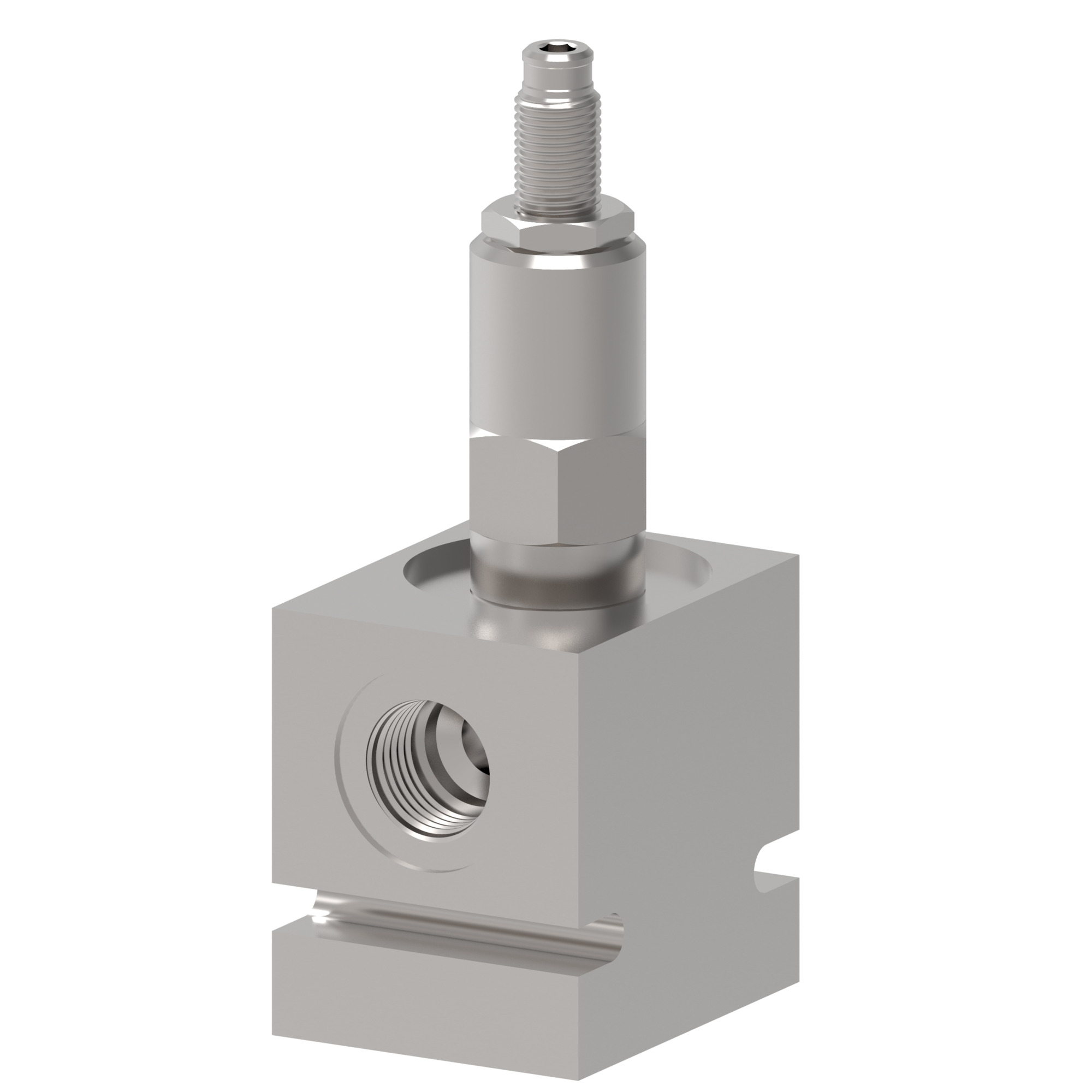
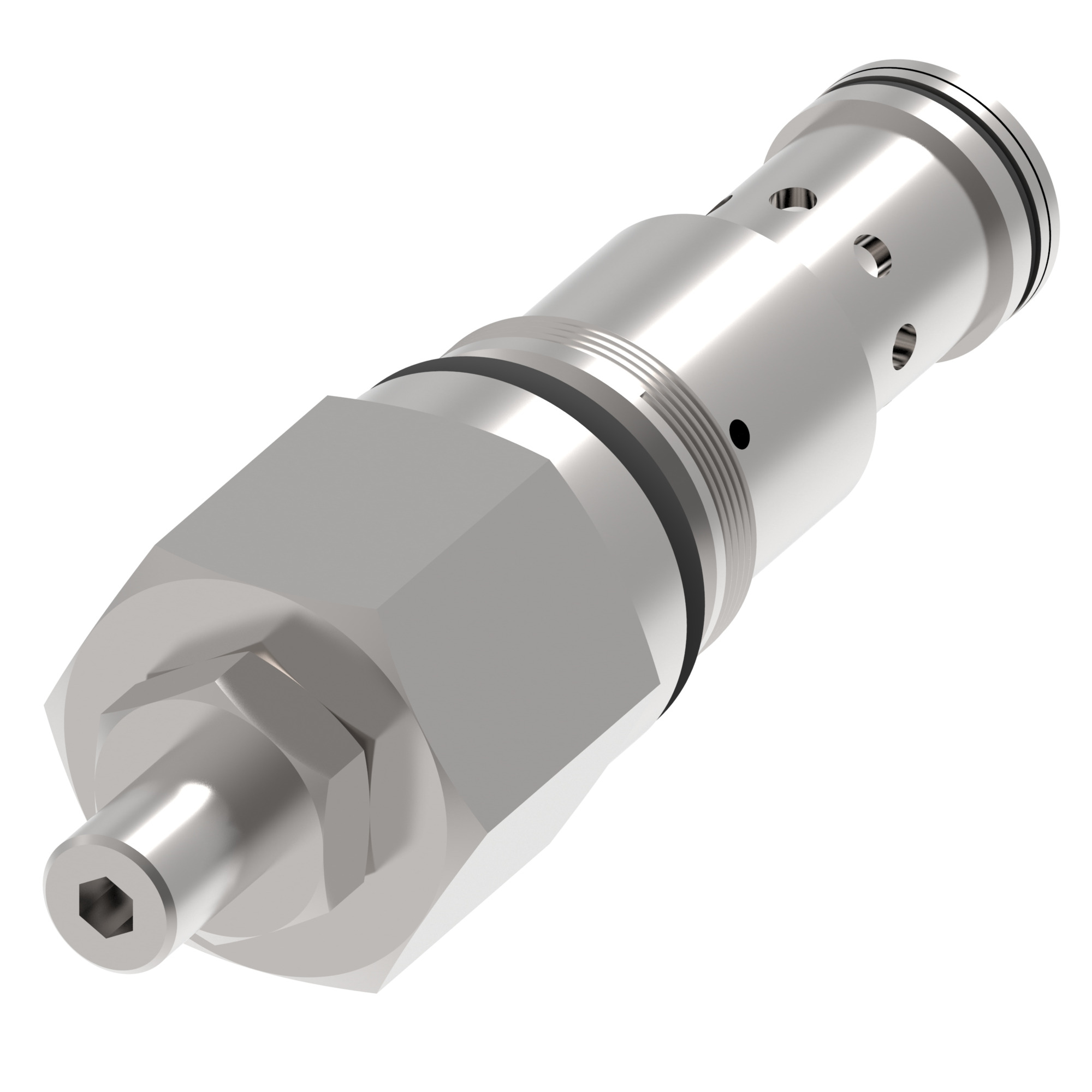
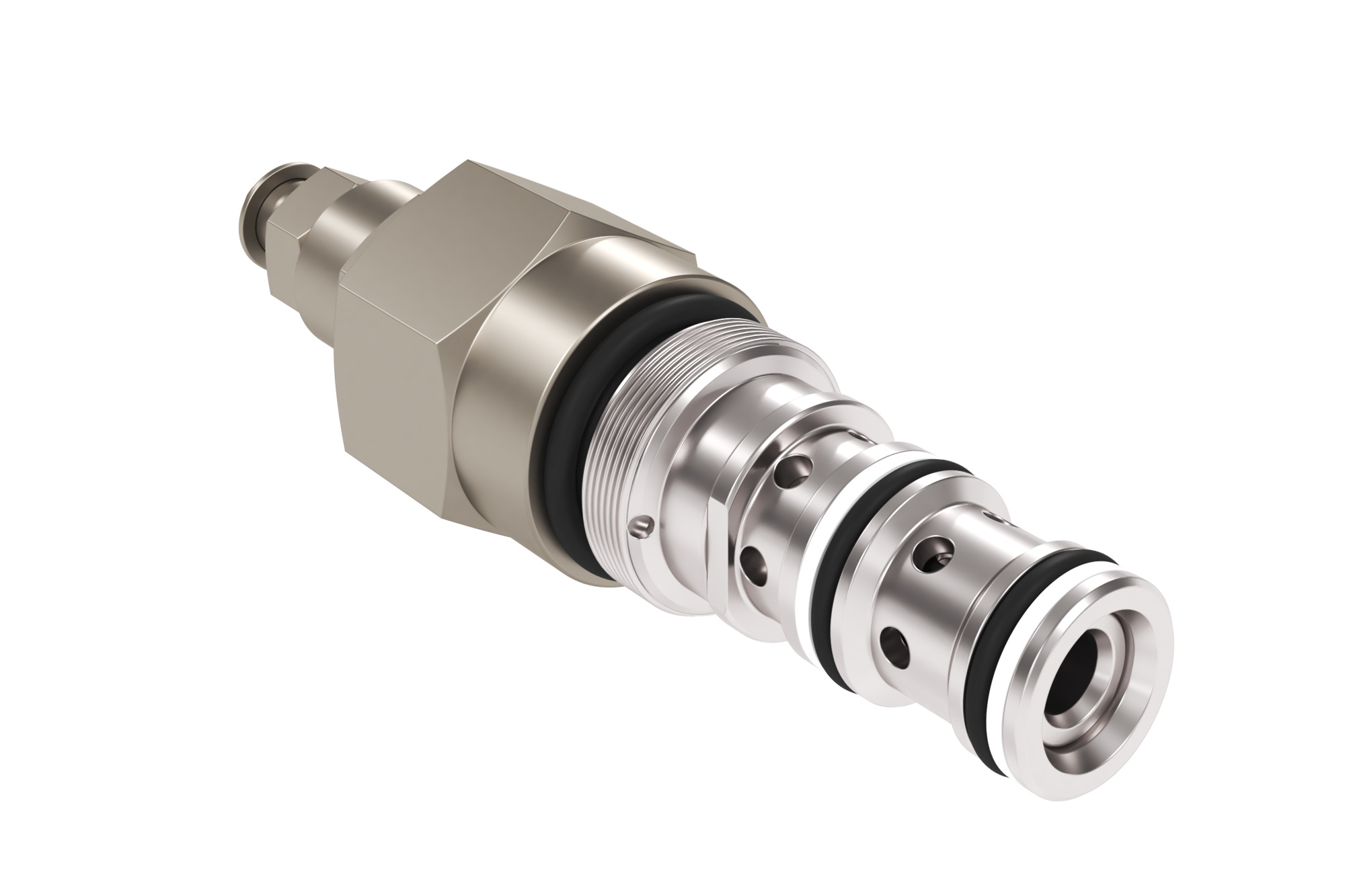
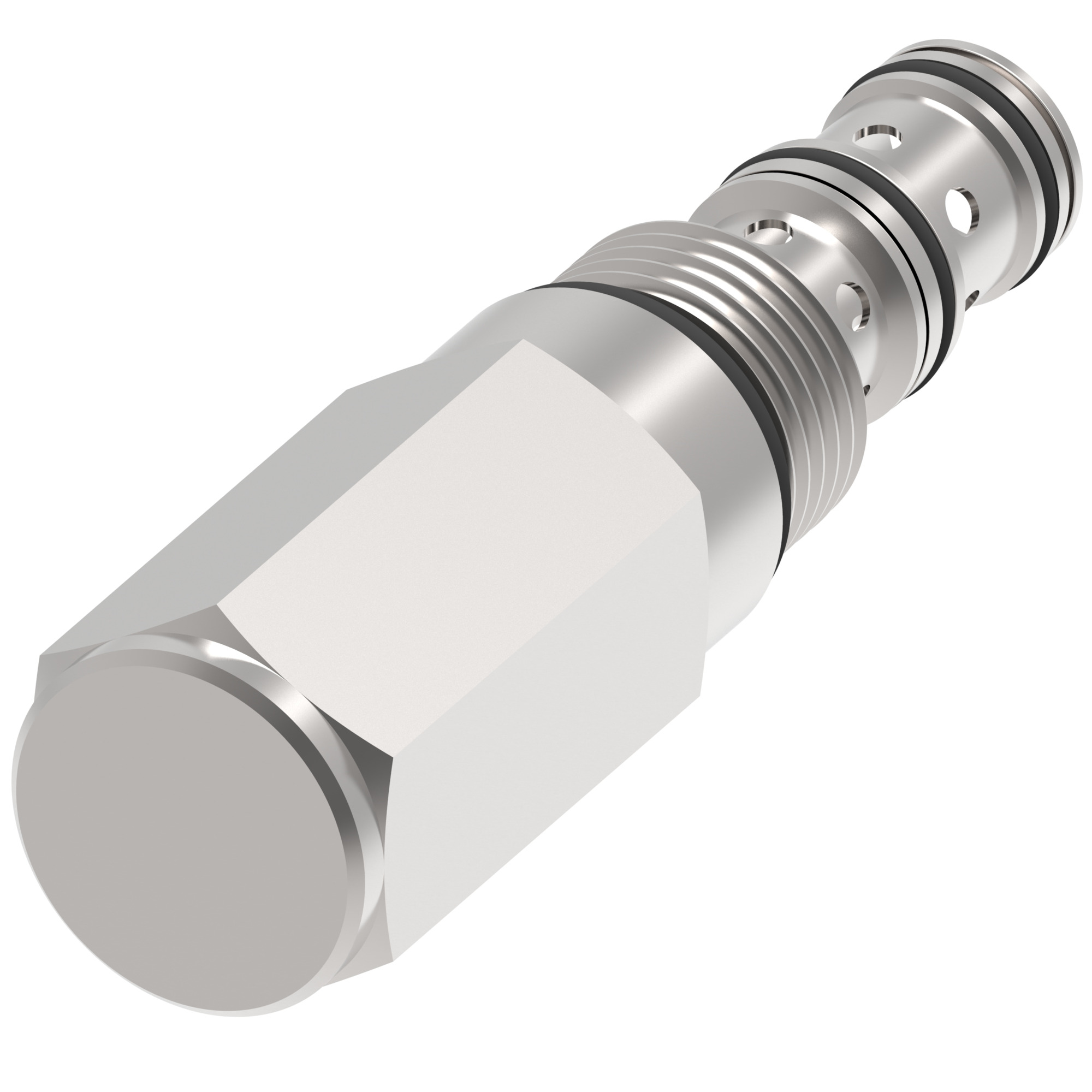
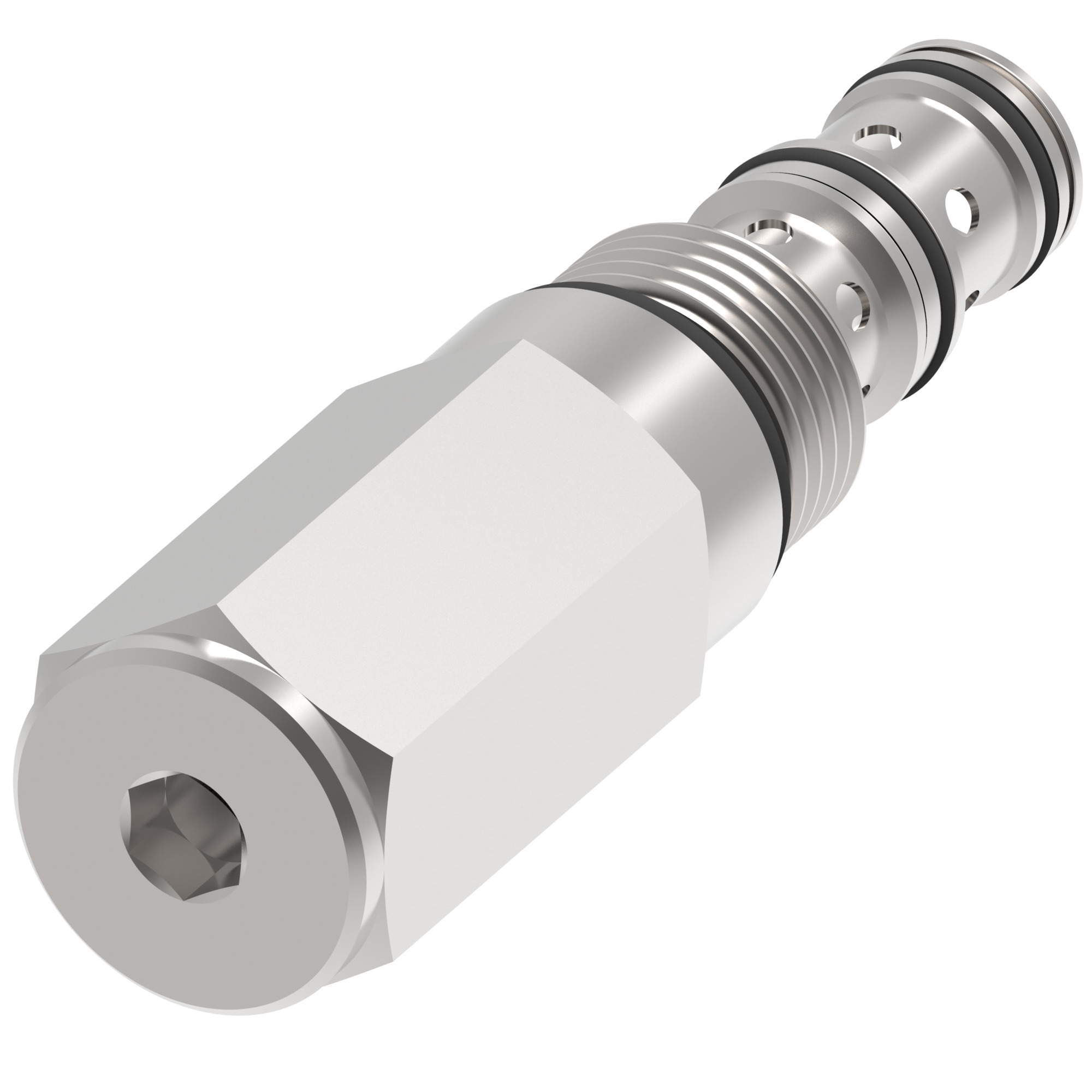
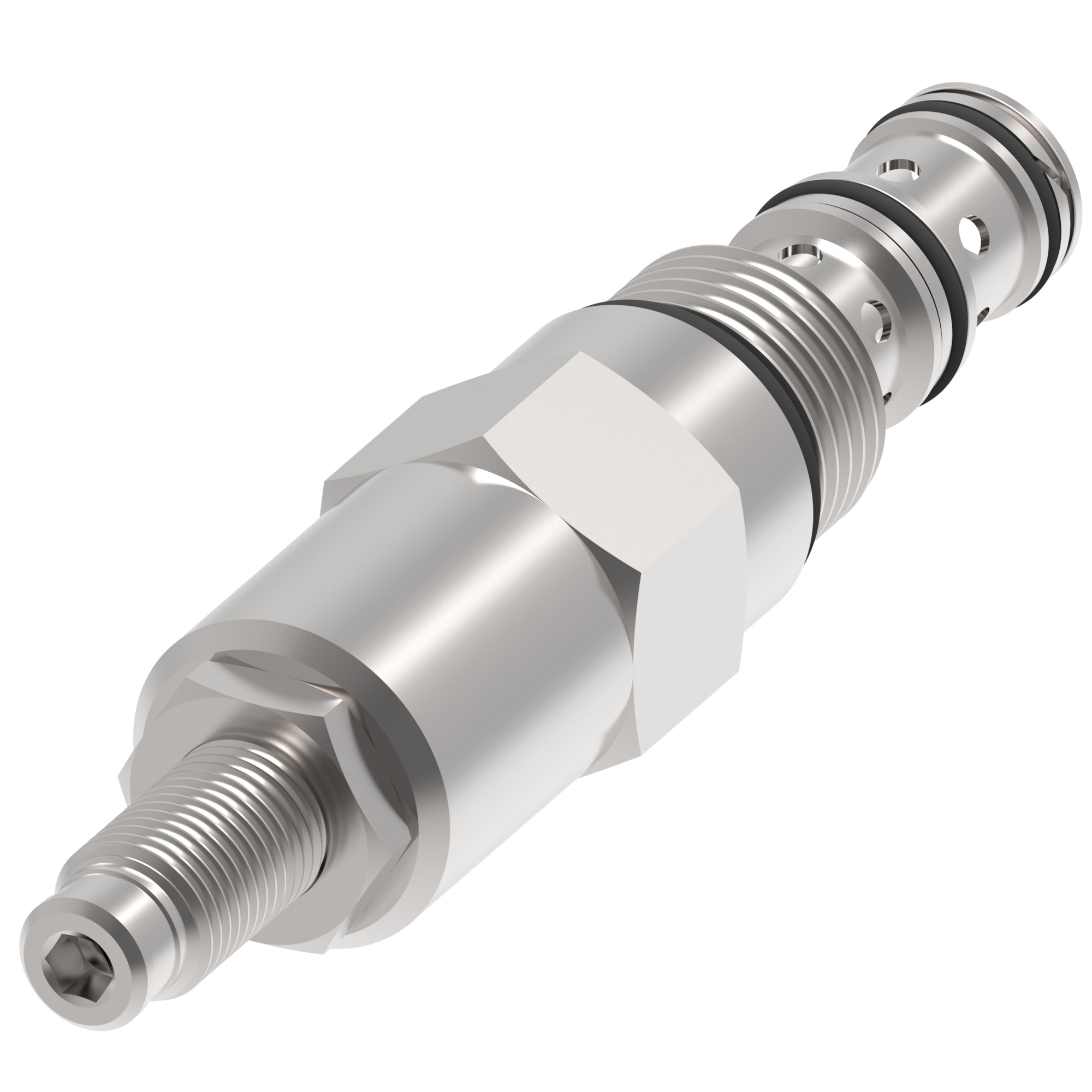
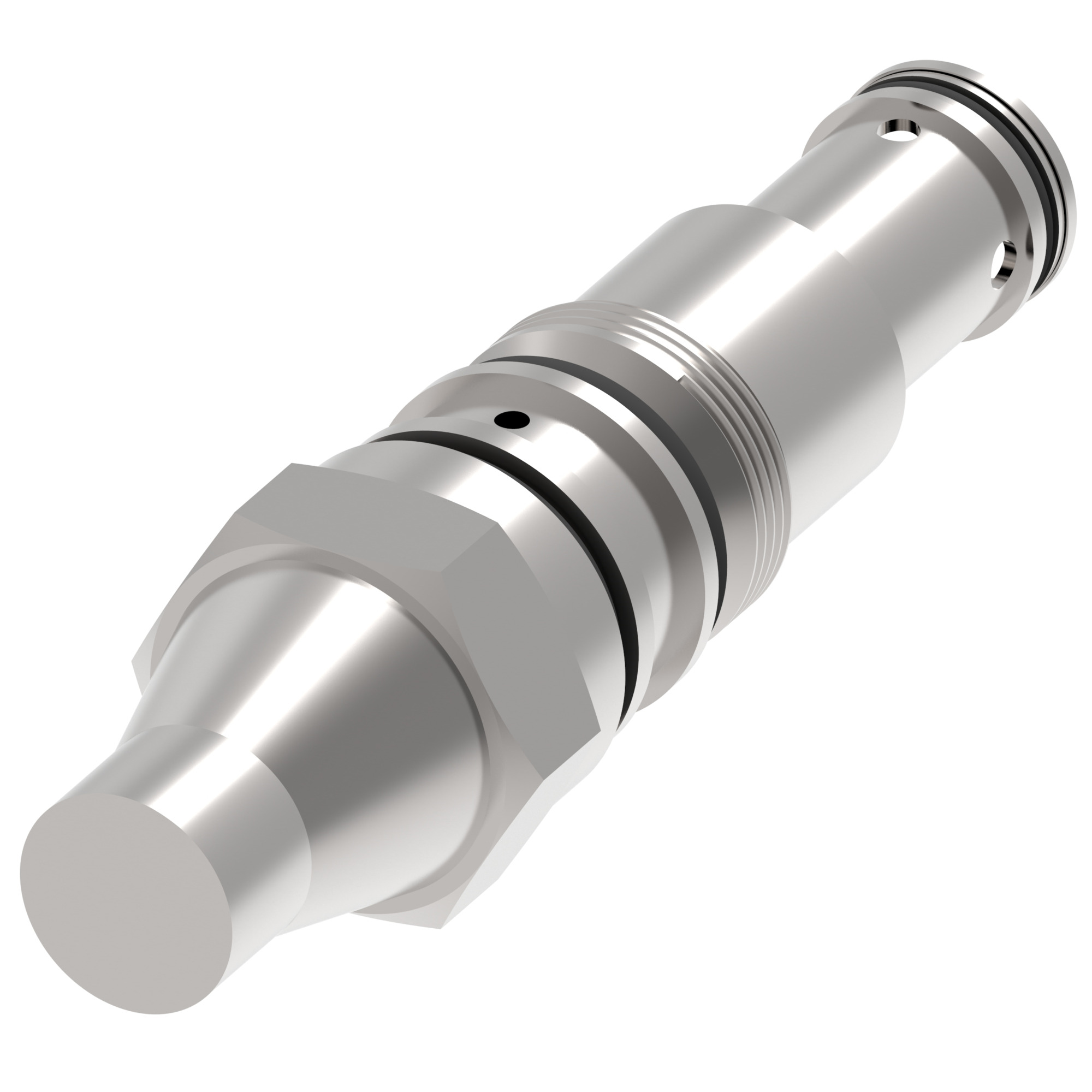
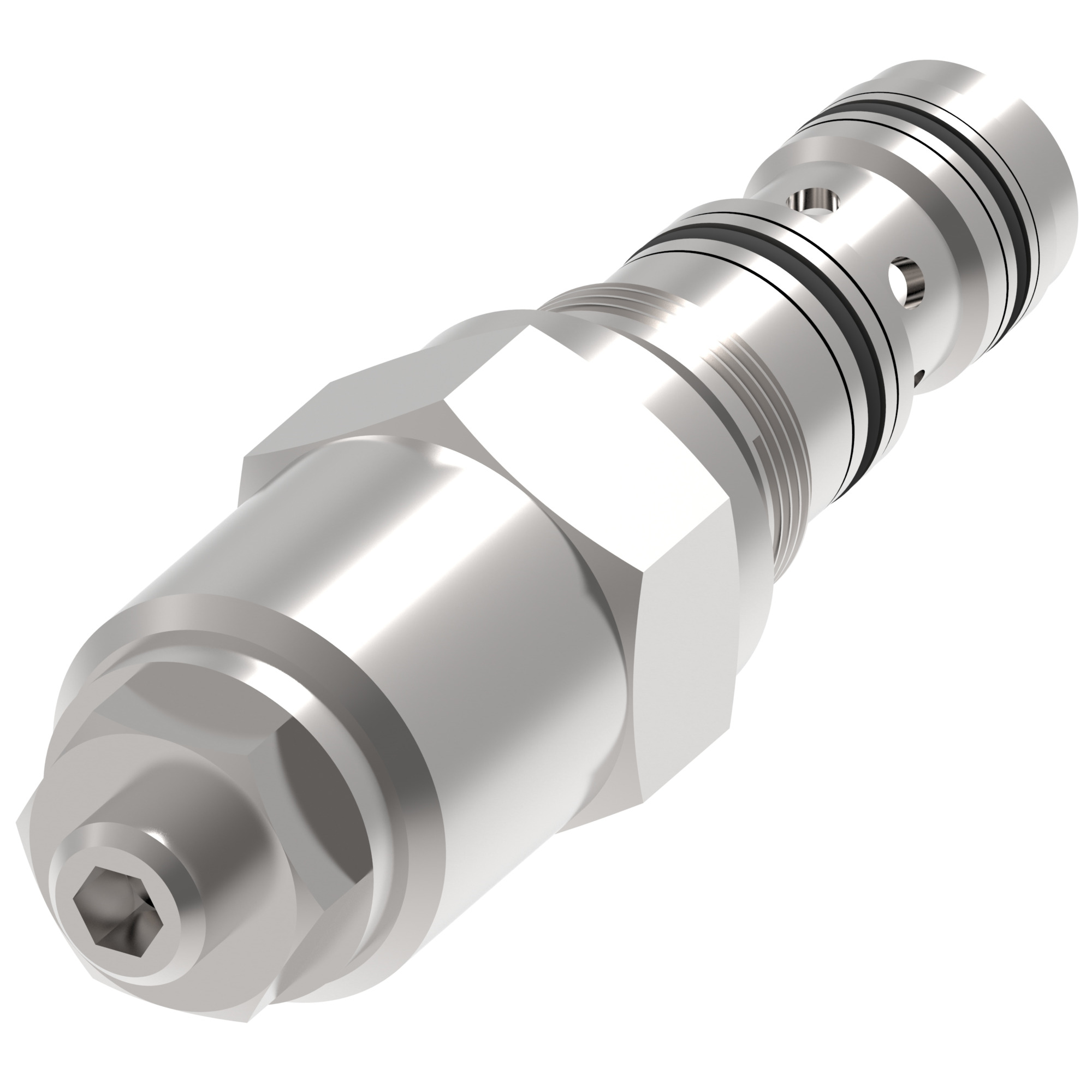
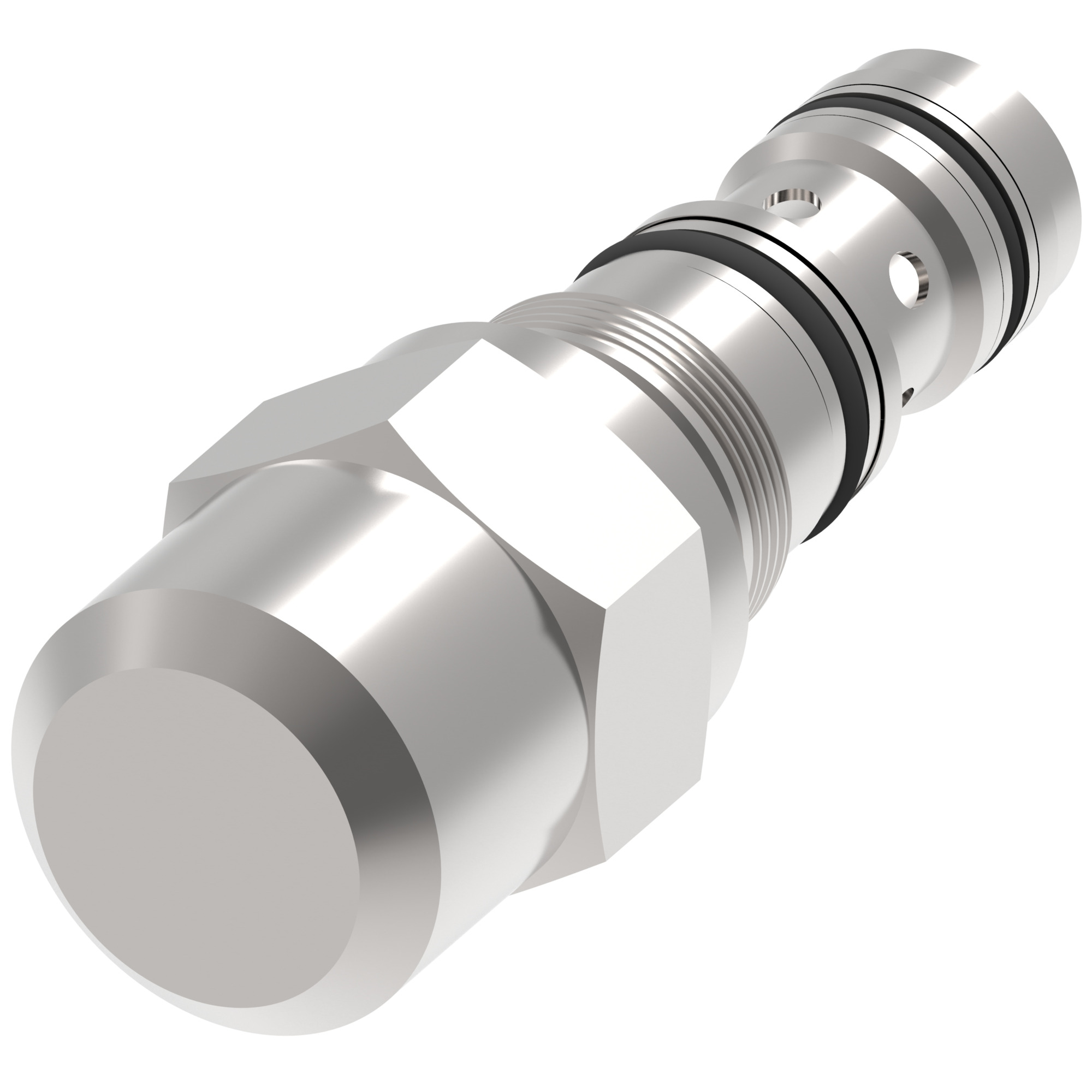
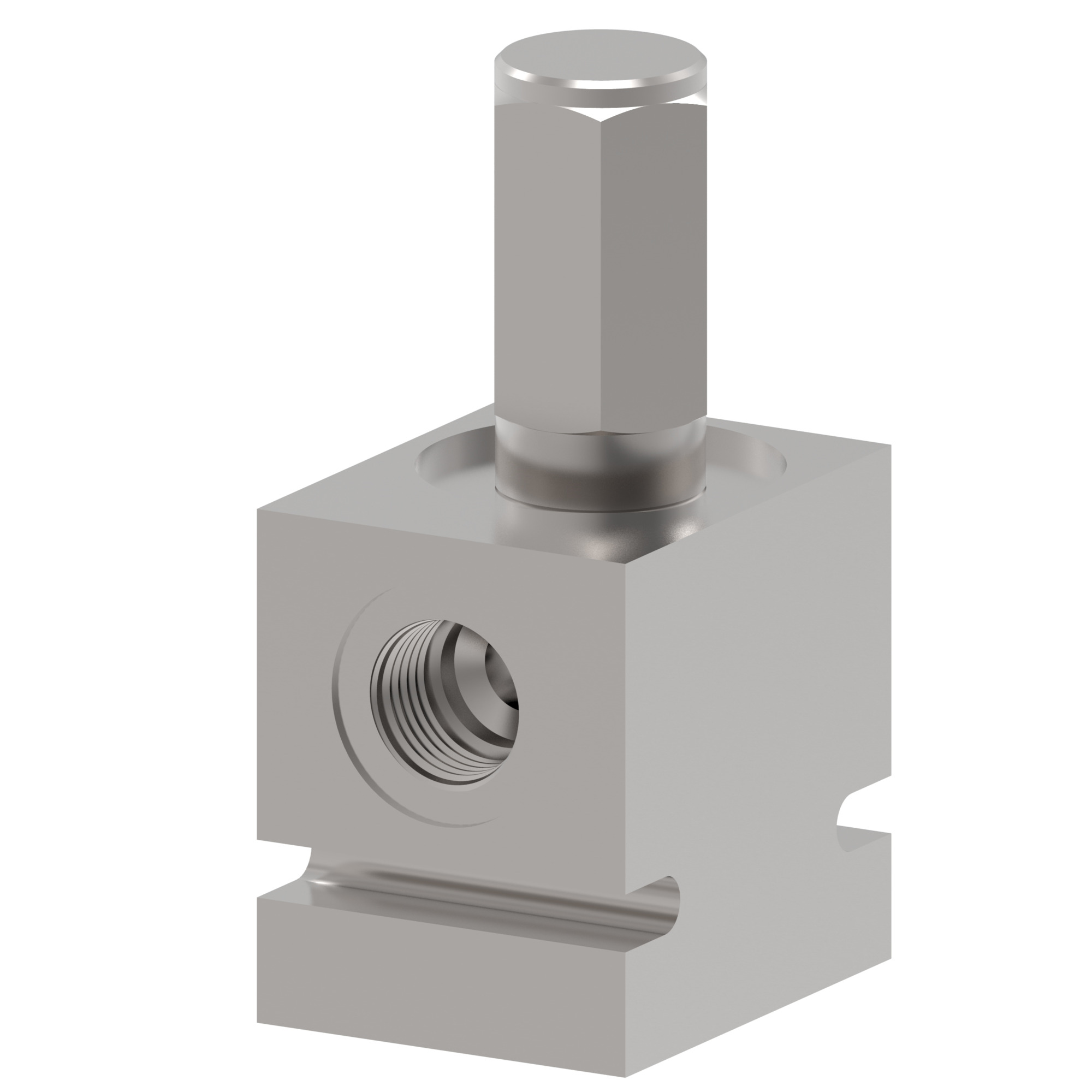
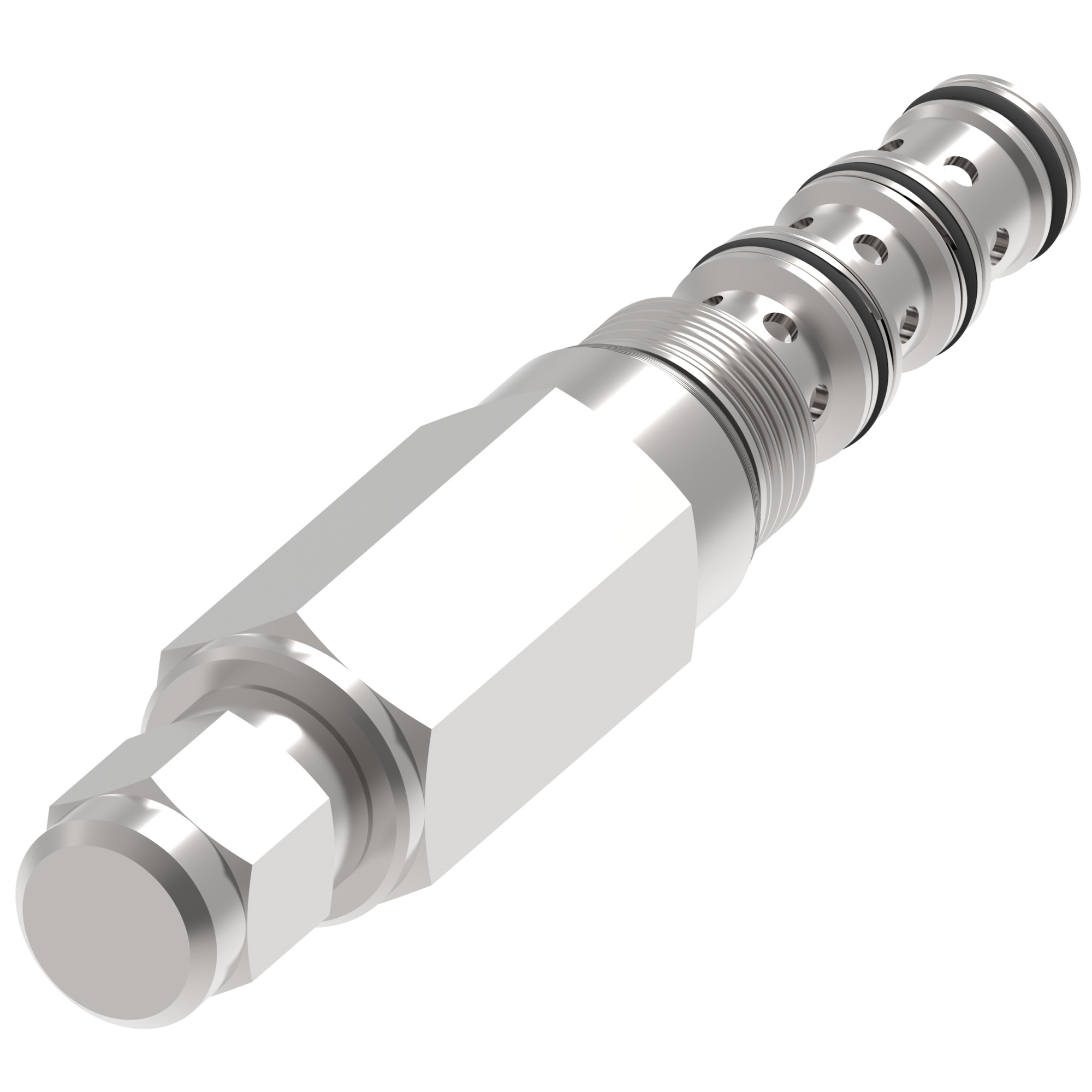
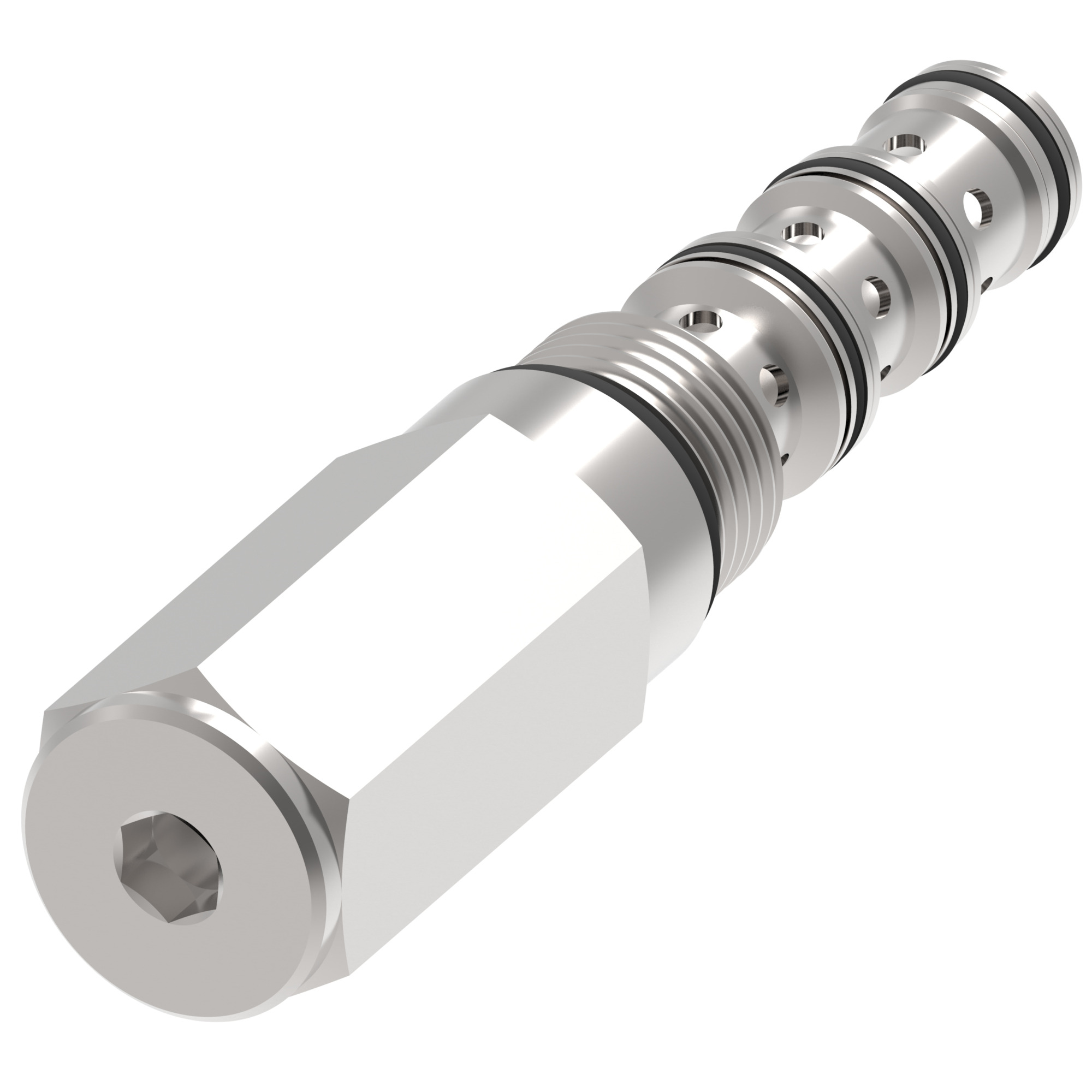
Для управления временем срабатывания функций и повышения эффективности последовательные клапаны обычно используют сигнал давления для сдвига золотника, открывая или закрывая канал потока при заданном давлении. Наш ассортимент включает клапаны прямого действия, пилотного управления, kick-down и разгрузочные клапаны с расходами до 250 л/мин [60 US gal/min] и давлениями до 350 бар [5000 psi].

Клапаны последовательности бывают двух видов: гидроуправляемые золотниковые клапаны и клапаны последовательности давления. Гидроуправляемые золотниковые клапаны открываются или закрываются в зависимости от давления, подаваемого на пилотный порт. Клапаны последовательности давления пропускают поток через клапан, когда входное давление превышает настройку, обеспечивая поток к вторичной функции, которая может использоваться под давлением. Они выпускаются как клапаны прямого действия, так и с пилотным управлением. По конструкции клапаны последовательности схожи с перепускными клапанами, отличаясь наличием дренажного порта пружинной камеры. Клапаны последовательности могут использоваться для последовательного включения вторичной операции в системе, в качестве компенсаторов давления или в качестве перепускных клапанов load sense.
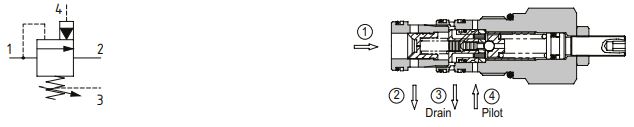
Hydraulically pilot operated spool type The normally closed, pilot operated, spool type sequence valve opens port 2–3 when a set pilot pressure is reached. The normally open valve will close port 2–3 when the set pilot pressure is reached. These valves can be used to sequence a function in a separate part of the circuit by taking pilot pressure from another function.

Direct-acting pressure sequence type The direct acting pressure sequence valve is a normally closed, spool type controlling flow from the inlet port 1 to the sequenced port 2. When the pressure rises above the setting, the valve opens allowing flow port 1–2. With port 3 connected directly to tank, the valve will stay open if the pressure in port 1 is higher than the valve setting. The valve can be used in standard sequencing circuits, as a load sense compensator, or in regenerative systems where flow passes from port 2.
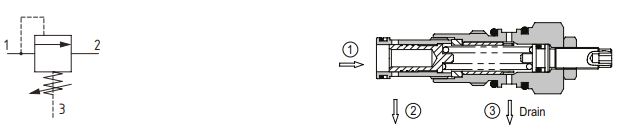
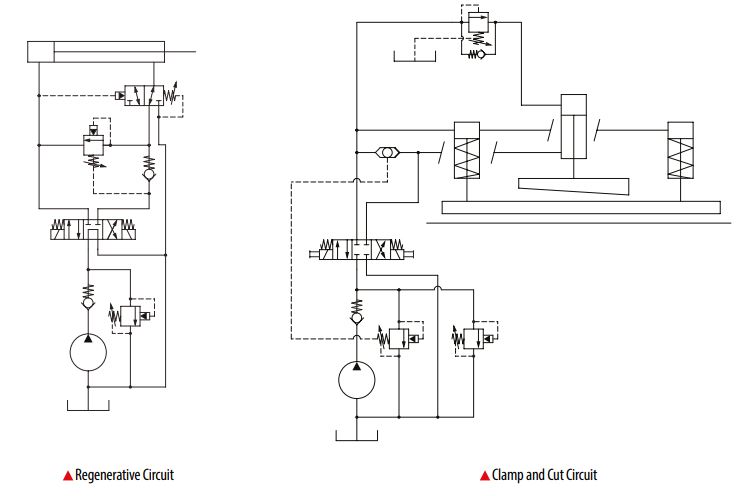
Pilot-operated pressure sequence type The pilot operated sequence valve blocks flow from port 1–2, until pressure is sufficient to move the pilot poppet off its seat and overcome the opposing spring force. This creates a pressure differential across the spool, causing the spool to move back against a light spring. With port 3 connected directly to tank, the valve will remain open as long as the inlet pressure is higher than the setting. This design is ideal for sequencing cylinders or motors in clamp and cut or lift and tip circuits.
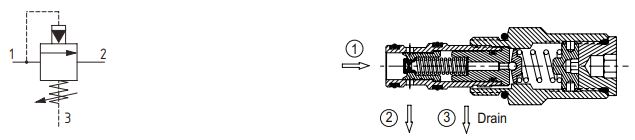
Pilot-operated kick down pressure sequence valve The pilot operated kick down sequence valve blocks flow from port 1–2 until pressure is sufficient to move the pilot poppet off its seat and overcome the opposing spring force. This creates a pressure differential across the spool, causing the spool to move back against a light spring. This automatically opens the main spool spring chamber to port 2 allowing the inlet pressure to decrease to the pressure in port 2.
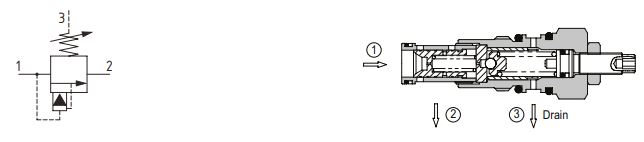
Разгрузочные клапаны используются для сброса потока насоса, когда контур аккумулятора полностью заряжен. Избыточный поток может направляться напрямую в бак с минимальным перепадом давления либо использоваться во вторичном контуре. Пилотный клапан малого расхода может применяться в системах load sense или совместно с логическим элементом. Клапаны большего размера объединяют логический элемент и функцию полнопоточного предохранительного клапана в одном картридже. При падении давления в пилотном порту клапан закрывается, позволяя контуру аккумулятора снова зарядиться.
Low-flow pilot-unloading valve The low flow pilot unloading valve is designed to be used in conjunction with a larger element or in a load sensing system. The valve blocks the flow from port 2 to port 3, until the pressure at port 1 is enough to pilot the ball off its seat. The area of the pilot piston is larger than the seat area, so when the pressure decays in the pilot line, the valve will close (re-seat) at a percentage lower than the setting, allowing pressure to rise again in port 2.

Unloading valve & priority unloading valve With the standard unloading valve, inlet pressure is seen on the nose of the valve and system pressure (downstream of the system check valve) operates on the system pilot port. When inlet pressure rises to the valve setting, the relief section opens and the system pressure at the pilot port acts on the pilot piston to hold the valve in the open position. The priority unloading valve has a separate spring chamber drain that allows the flow downstream to be used at a pressure without affecting the setting of the valve.